
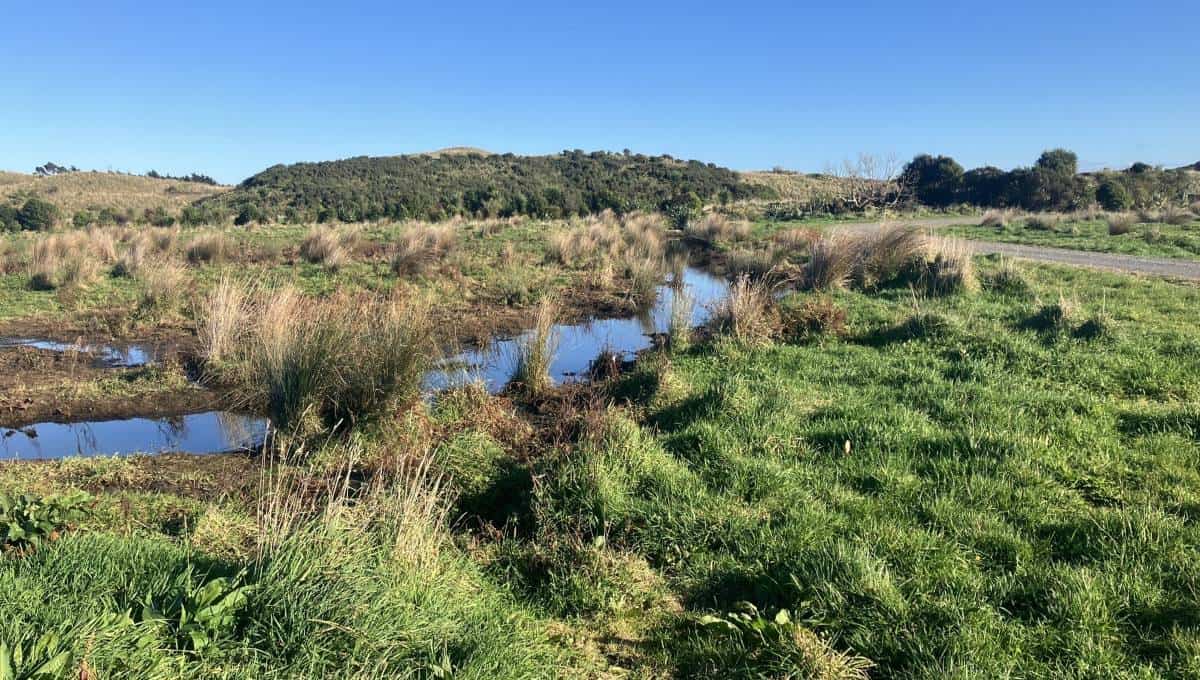
The Kapiti Coast is located on a geologically recently formed sand plain. The Kapiti
Coast wetlands have largely formed as dune slack wetlands and the soil is
comprised of peat on top of sand. Over 211 wetlands that have been categorised14
of which have been designated ‘Outstanding” and 197 as “Significant”. Most are classified as swamps with a small number of ferns.
Eight vegetation community types are present: forest, shrubland, flaxland, reedland,
rushland, sedgeland, grassland and herbfield. Some wetlands are dominated by one
vegetation type, while others contain more than one or multiple types. Hydrological
integrity and physiochemical factors on the Kapiti Coast have been affected by
catchment-level issues, such as urbanisation, water take and land use(rural and
urban) practices.
Bird and fish surveys reveal high numbers of spotless crake in the Kapiti Coast
wetlands highlighting the importance of this habitat to those species. Shortfin eels
and common bullies are the most abundant and widespread fish species found.
While migratory access for aquatic fauna was present in the wetlands closer to the
sea, barriers further inland have resulted in reduced wetland fish numbers.
Low Carbon Kapiti recognizes the importance of wetlands on the Coast. It supports
restoration of both existing and new wetlands. These wetlands provide multiple
benefits:
— Improve biodiversity by providing habitats for plants, animals, and microbial species.
— Reduce the impact of drought by slowing water flow and releasing water during dry periods
— Store carbon, helping protect against climate change
— Improve water quality by acting as natural filters
— Reduce flood risk by absorbing excess rainwater
— Provide habitats for many endangered plants and animals
— Are considered taonga, and are of great cultural significance to Māori
— Can be used for recreational or commercial activities
— An example of a large scale restoration project is based at the Queen Elizabeth 2
park. Attached is a map of the 8 wetland catchments which are being restored through construction of 10 weirs/bunds to block drainage channels, as part of the southern wetland restoration project.
Southern wetland restoration
In the central part of the park, eight ephemeral wetland pockets have been identified as a priority for restoration. This will involve blocking drainage channels to slow water and allow the wetlands to recover, as well as planting of appropriate wetland species. Resource consent has been granted for this project. The consent requires creation of detailed restoration plans that confirm the methodology of restoration at each site, including designs for the weirs/bunds used to block the channels, specific planting plans, monitoring and reporting on the effect of the works, including maintaining fish passage and discovery of cultural artefacts protocols. The first 4 wetlands were restored in March 2026, with planting of wetland species taking place in winter 2026. The final 4 wetlands are scheduled to be restored in early 2027 along with associated wetland planting.
Peat re-wetting project
In the northeastern area of the park, the predominant soil type is peat. The peatlands, which were once part of the Kapiti Coast’s Great Swamp, have been drained for decades and were grazed until 2020 by a private licence-holder. GWRC has proposed re-wetting the peatlands, as peatlands are significant carbon sinks, and rewetting helps maintain and increase their capacity to store carbon. This project is complex, with many potentially affected neighbours, including infrastructure like the railway line, state highway, power lines, and local residents.
Our monitoring team are continuing to gather hydrology data so we have robust information if the project proceeds. This project has largely been on hold for several years due to the complexities and potential impacts on neighbouring property and infrastructure.
Threats-existing and newly created wetlands need on going maintenance to control
animal pest species(possums, stoats, weasels, mice, Canada geese), exotic pest
plants and ongoing restoration planting. Volunteers play an important role. Animal
pest control managed by volunteers has been undertaken at QE2 park for over a
decade highlighting the importance of this task.